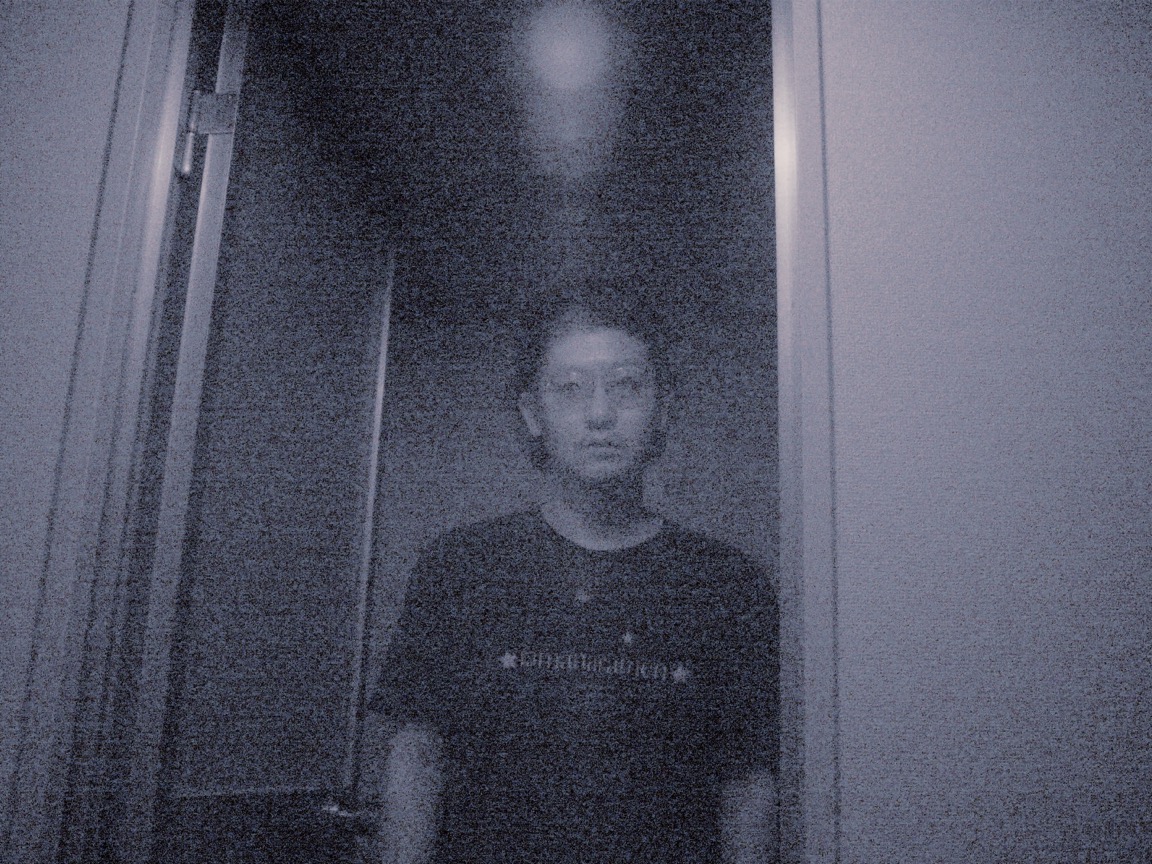
Tomohito Wakui
Solo Exhibition
God, I, Ego
2026.3.7(Sat)- 4.4(Sat)
Opening hours:12:00 - 18:00
Closed on Sundays, Mondays, and holidays
Opening reception:March 7 (Sat) 17:00 - 19:00 *The artist will be in attendance
*The performance “Paranoid, Is Life for Enjoying or for Ending?” will be held during the reception (time undisclosed).
*This exhibition contains works that include flashing lights and strobe effects. Visitors who are sensitive to light or who have concerns about their physical condition are kindly advised to exercise caution when viewing the exhibition.
In addition, some works include unpleasant or intense sound. Visitors with auditory sensitivities are asked to use their own discretion when entering the exhibition.
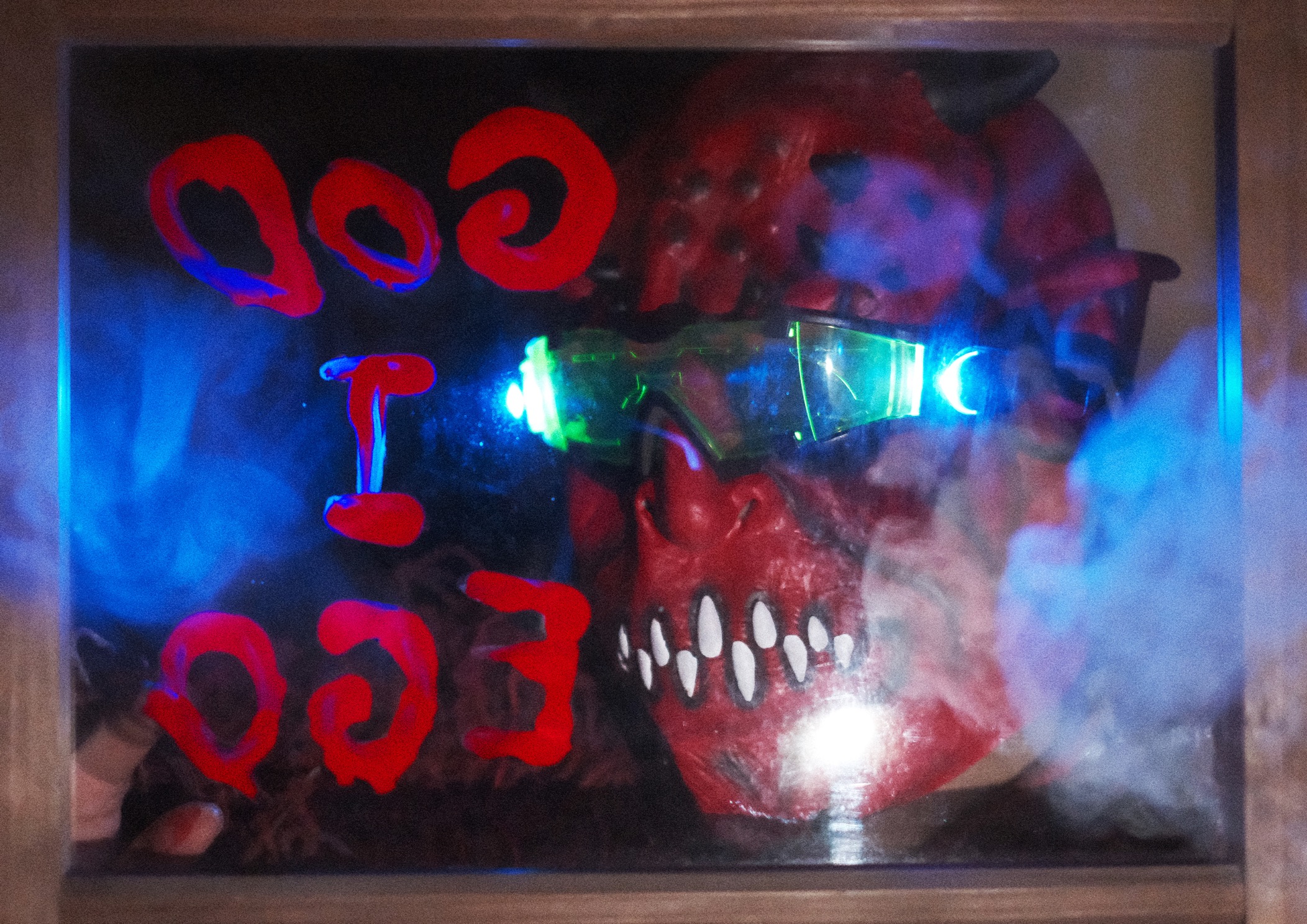
We at ANOMALY are pleased to announce an upcoming solo exhibition of works by Tomohito Wakui titled “God, I, Ego“ from March 7 (Sat) to April 4 (Sat), 2026.
Born in Niigata Prefecture in 1990, Tomohito Wakui is an artist and musician, and has also shown works as performances. His wide range of activities includes service as a director and curator at WHITEHOUSE, an alternative space in Hyakunin-cho, a district in Tokyo’s Shinjuku Ward.
In his artistic practice, Wakui focuses on the chains of denial in history (such as natural selection, lost technologies, and denial of chance). By re-examining them, he disorders or invalidates the stance of pursuing the possibilities of worlds that might have been/might be, across genres.
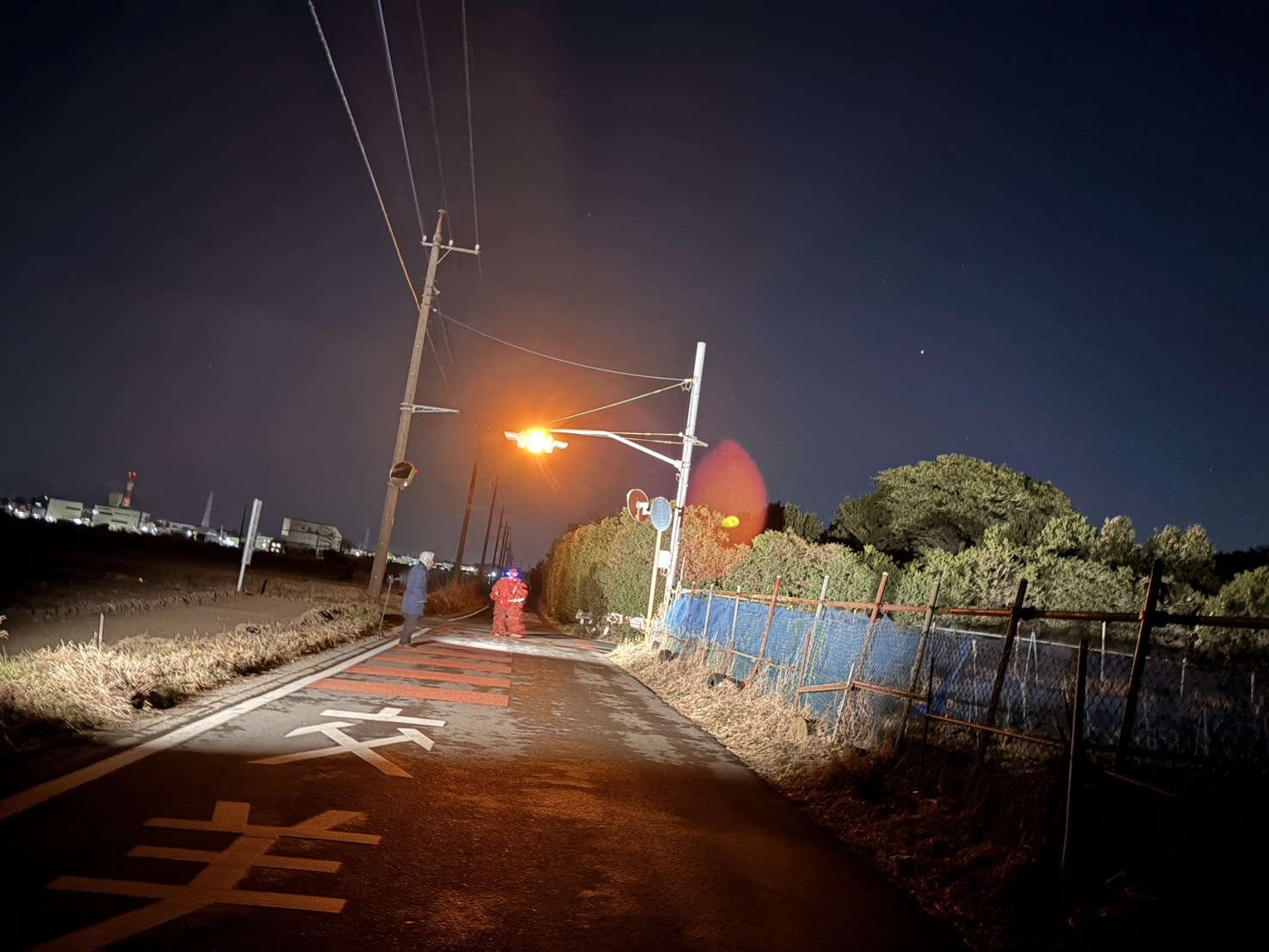
As implied by its title “God, I, Ego“, this exhibition prompts us to think about the profiles or outlines of what we call “God” and the “self” while using the waste of various media and audio as the medium. It suggests that these profiles arise as reflections of God and are given form as they head into the world. “Ego” is simultaneously the power to continue believing that the reflection is ourselves and the will to distance ourselves from God to the maximum.
Wakui is also interested in “faith” as a belief which mediates between God and humanity. His work How to destroy angels is produced by having generative AI learn all sorts of religious doctrines. While being a random assemblage of heterogenous statements, it ultimately presents a feeling of having reached some grand, unitary truth. Rather than a fixed, transcendent being, the true character of what we call God may be the very structure arising with the layering of countless statements, convictions, and historical conditions.
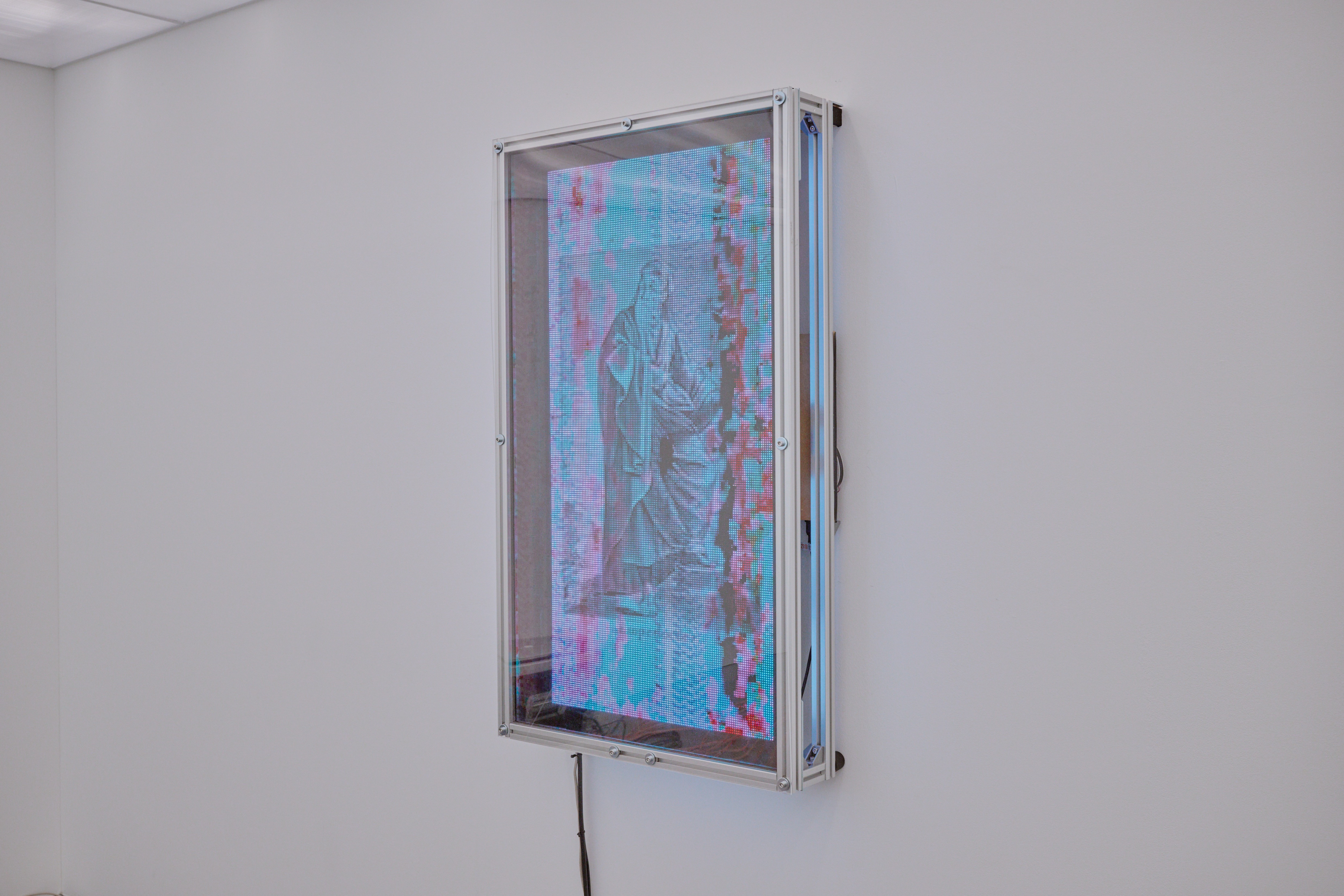
Many of Wakui’s works present alternatives to the dominant value system through critical examinations that reread and re-edit existing technologies, and encompass perspectives not only of the present age but also of the future. Conventional media research has been premised on the teleological idea of newness and progress (to the effect that technology is constantly evolving toward higher degrees of sophistication and efficiency). Wakui makes a critical restudy of this idea and, while horizontally joining old and new technologies, uses the heaps of media waste and things that are no longer needed or outdated and are flooding the world as materials to repurpose the characteristics of AI, computers, and audio equipment. It could be said that, through this methodology, he is in the position to irradiate both the historical continuity and discontinuous strata of our experience of culture and media. In other words, his practice is theoretical conduct giving him the orientation of a media archaeologist.
The age when humanity used technology to their benefit is over. Today, technology is in the superior position and has come to shape our behavior. Media waste and outdated products fall in the category of archaeology. They appear before us not as relics to induce nostalgia about the past, but as a stratum for deciphering the structure of the present.
Data and devices that were upgraded, written over, or forgotten pile up, not along with the passage of time but at an accelerating rate. Against the background of the presumable progress into the future, they seem to quietly settle like sediment.
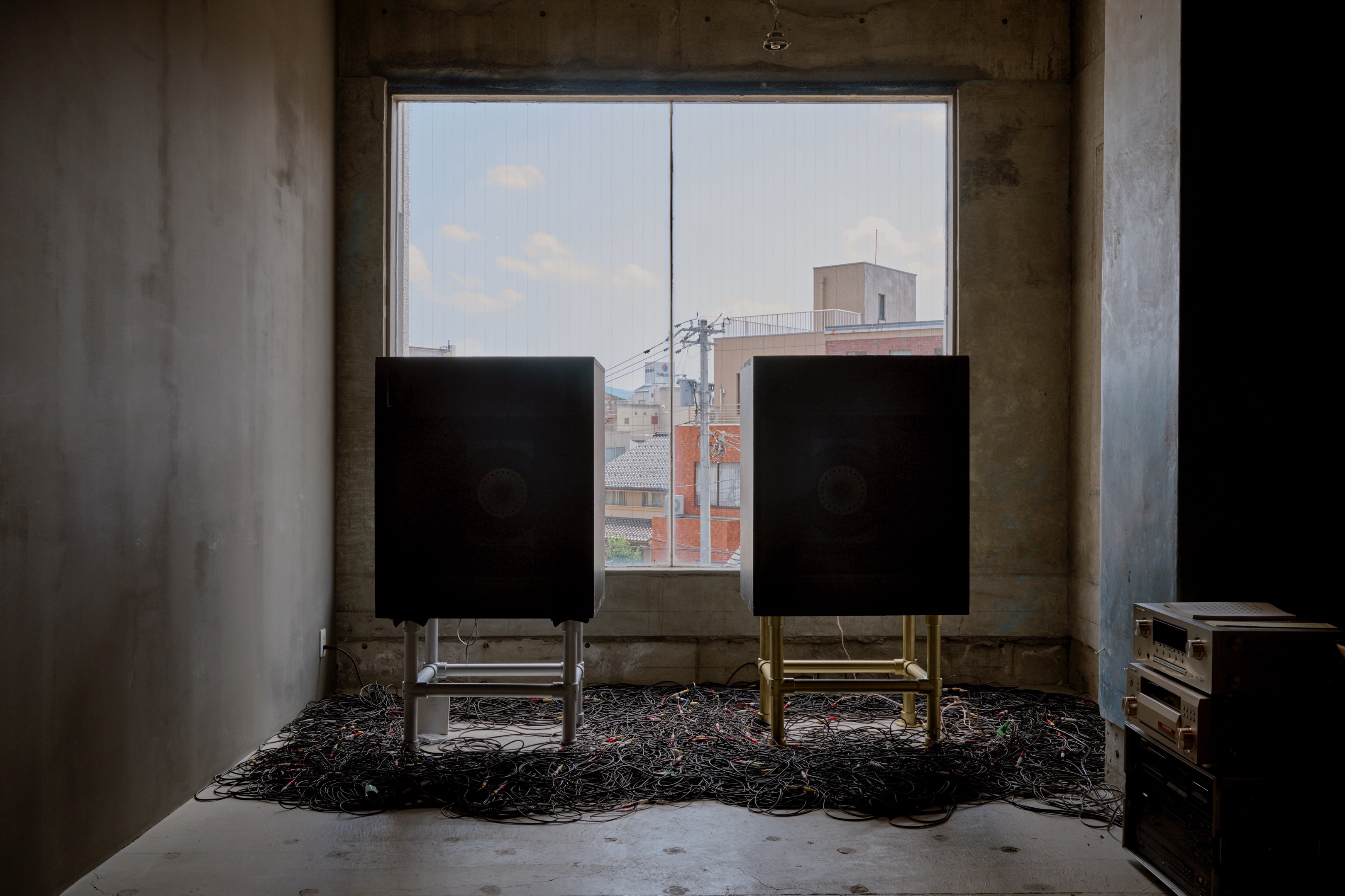
This archaeology that Wakui advocates is not the work of retrieving truth through excavations. On the contrary, it is thought that accepts the impossibility of retrieval, the exfoliation of meaning, and the random loss of functions themselves. Afterimages on screens, formats that have become non-standard, and storage media that can no long be regenerated are separated from human intent and begin to speak of technology’s own time.
At this point, human beings are neither creators nor users; they are no more than part of the vestiges. What media waste and outdated products show is not what we made, but a record of how we were made to make them and to behave. Media transformed into archaeology do not dig up the past; they seem to expose the present as already in ruins. And within these ruins, we may perhaps be just standing where we are as beings that still act, perceive, and try to produce meaning.
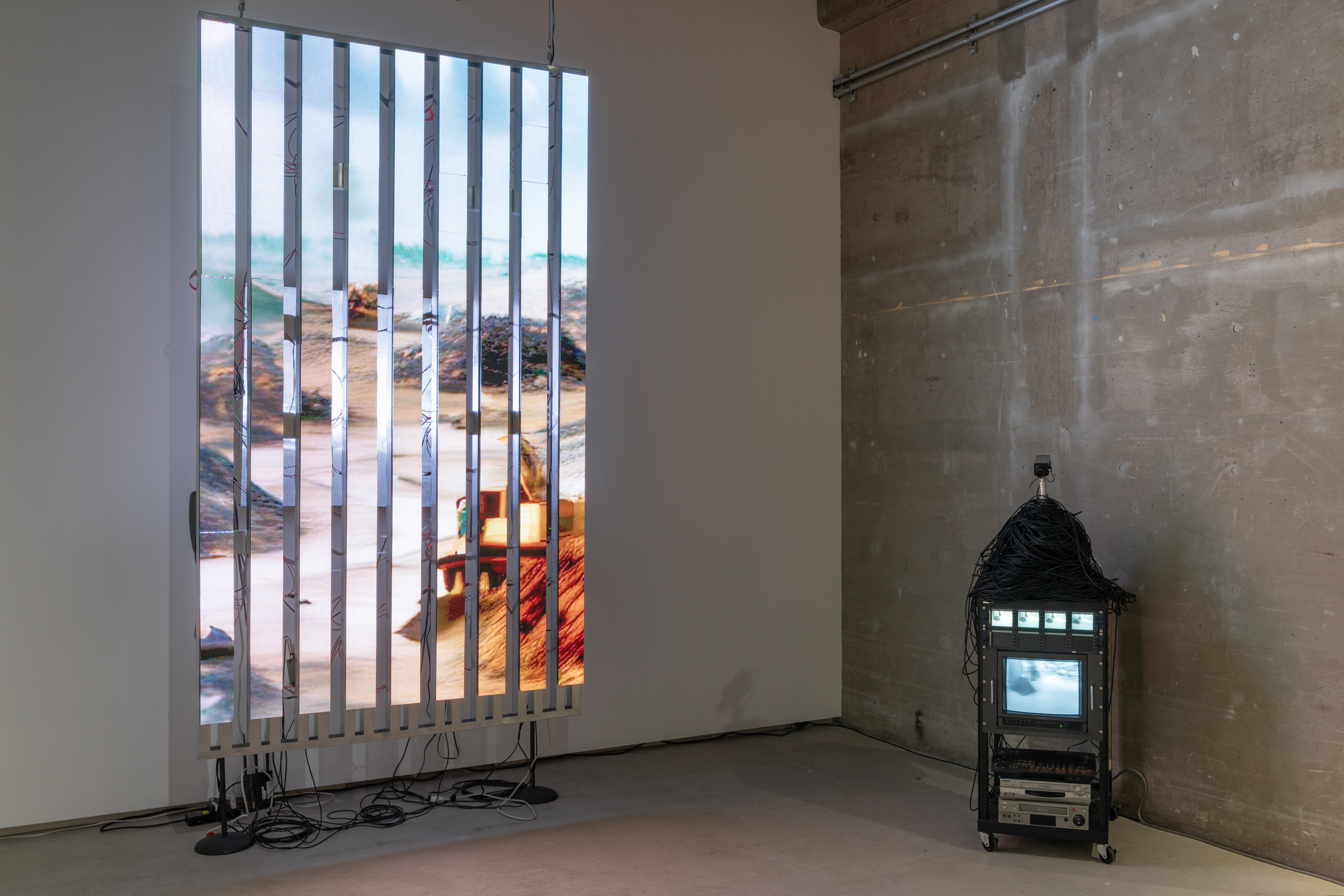
The solo exhibition by Wakui, his first in about 10 years, will display works from his prolific recent output reminiscent of a “Night Parade of One Hundred Demons“, alongside a new, previously unseen installation. The following works are scheduled to be on display.
① MONAURALS, 2025
② Ichi, 2024
③ Mint Used Junk, 2025
④ And Then, the Courier Became a Star, 2025
⑤ Midday Event(Adaptation from Mieko Shiori), 2024
⑥ To the Beloved Kin of Numbers, 2025
⑦ How to destroy angels, 2024
⑧ HOWL, 2025
⑨ Each a segment of shadow and light, 2025
⑩ To the Beloved Kin of Numbers (new works), 2026
⑪ To the Beloved Kin of Numbers (new works), 2026
⑫ crossroad, 2026
⑬ Go,Die,Go, 2026
⑭ God,I,Ego, 2026
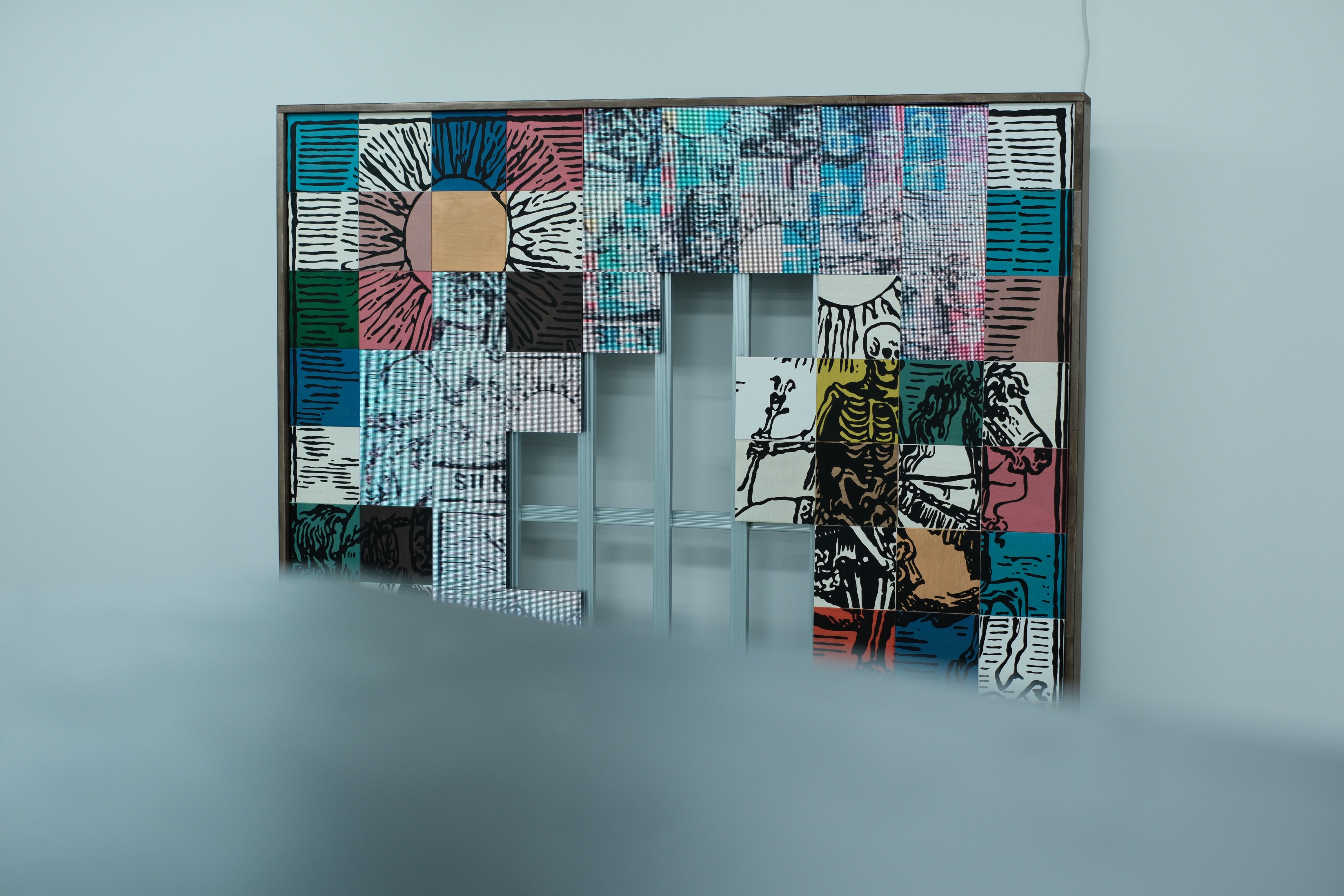
We invite you to attend Tomohito Wakui’s solo exhibition, which presents a body of works that can be considered the culmination of his recent practice alongside his new creations, and experience them firsthand through your own perception.
Born in 1990 in Niigata Prefecture and based in Tokyo, Tomohito Wakui is an artist and musician, as well as the director and curator of the alternative space WHITEHOUSE.
His recent major exhibitions include “A Personal View of Japanese Contemporary Art: Takahashi Ryutaro Collection” (2024, Museum of Contemporary Art Tokyo), “Electricity-Sound” (2023, 21st Century Museum of Contemporary Art, Kanazawa), “JUNK’S PORTS” (2023, ANOMALY), “Dark Independents” (2020, Online and at a secret location in Tokyo), “nonno”(2016, 8/ART GALLERY/ TOMIO KOYAMA GALLERY).